remorse & redemption
At his sentencing, Jeffery Lee expressed remorse for the harm he caused and the lives he took. He did not deny his responsibility or attempt to lessen the gravity of his actions. In the years since, that remorse has endured—not as a single statement made in court, but as a sustained posture reflected over decades of incarceration.
Jeffery is not the same person he was decades ago. Over time, he has taken on a mentoring role among his peers and sought to live differently within the confines of prison. Through his faith, he has worked to confront the consequences of his actions and to contribute positively to the lives of those around him in whatever ways are available to him.
Jeffery committed this crime when he was 21 years old. During his incarceration, he has served as a Project Hope board member, worked as a hall runner, and remained actively engaged in religious life within the prison. From Holman, he also helped raise his son, Jeffery Jr., who is now a law-abiding, stable adult.
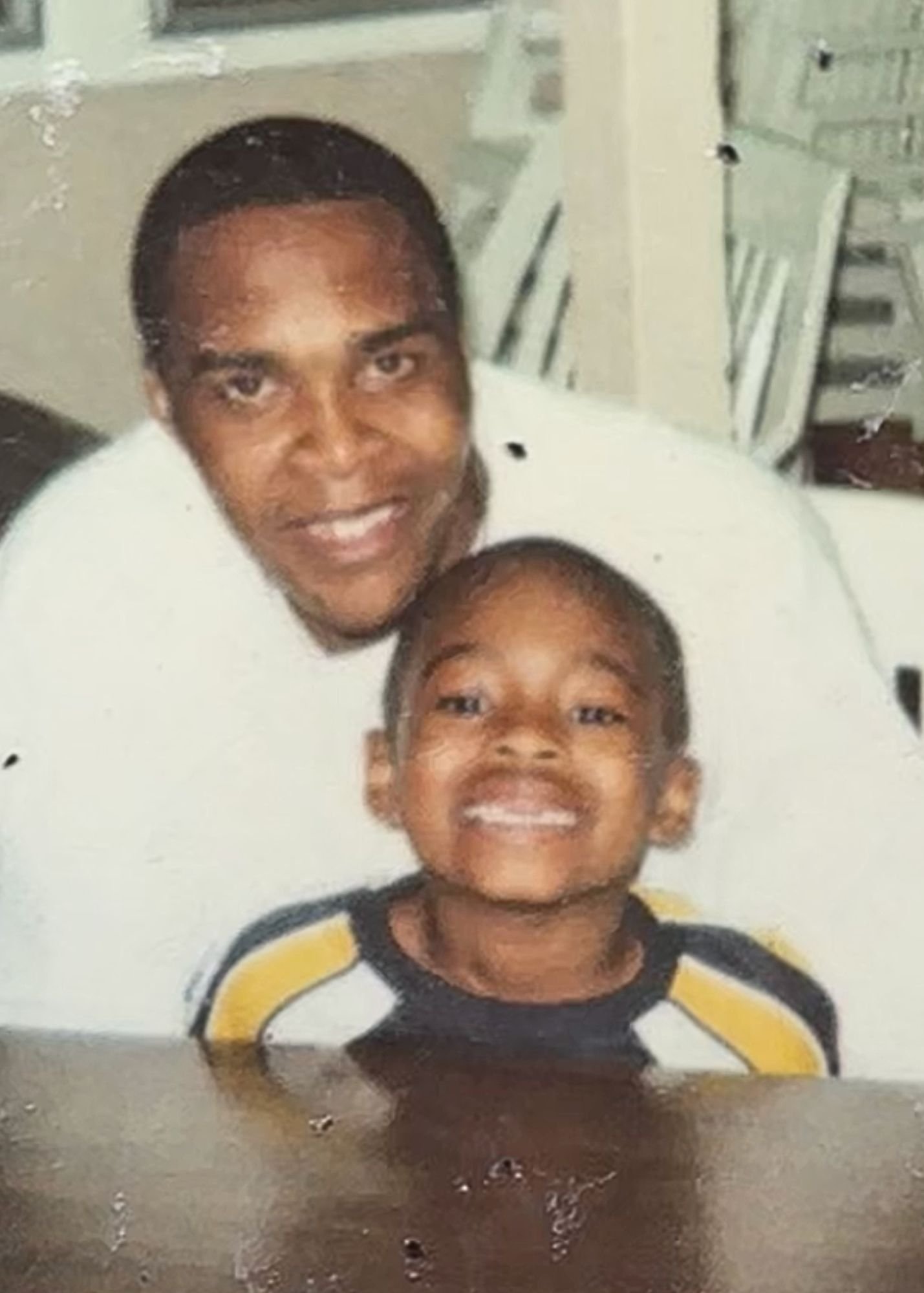
“When this crime happened, I didn't know their names. I wanted to know because in my prayers I wanted to include their names. I didn't know until I was arraigned, and when they put me back in the sheriff's [office] I got on my knees because I knew their names. It won't be a day for the rest of my life that I won't think and pray for those families…pray for the lives that was affected by my actions. I know their names. I pray for the Anderson, King, the Thompson family every day." – Jeffery Lee
Twenty-Six Years Behind Bars
Jeffery has spent the last 26 years, nearly half his life, on Alabama's death row at Holman Correctional Facility. During that time, his prison record shows zero violent infractions. No assaults. No fights. No disciplinary actions for aggression or threats.
This is not a short period of good behavior. This is more than a quarter-century of consistent conduct that stands in stark contrast to the violence that brought him there.
Faith & Service
Jeffery has dedicated much of his time in prison to faith-based study and service. He was selected to serve as a leader in Kairos, a Christian prison ministry program known for its rigorous standards and transformative impact.
Kairos leaders don't select just anyone for leadership roles. As Brigadier General Carl Fisher, a Bureau of Prisons chaplain, notes: "People don't pick Kairos leaders unless they're the real deal. Jeffery must be the kind of individual that somebody thought a lot about and they thought he could be a positive influence."
“People don't pick Kairos leaders unless they're the real deal. Jeffery must be the kind of individual that somebody thought a lot about and they thought he could be a positive influence.”
Carl Fisher, Brigadier General (Retired, USAR) and Bureau of Prisons Chaplain
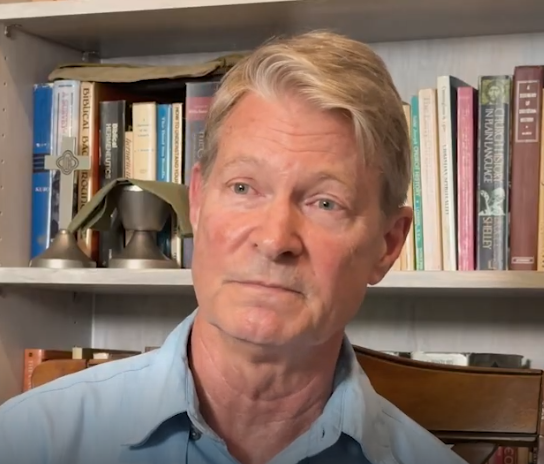
“jeffery has done a tremendous transformation. He's disciplined himself, reading the word of God and then implementing it into his own life to where now he's living it. He's living the example of how to do things right. He's a joy and he's filled with peace and he spreads it wherever he goes.”
David Smith, Kairos Volunteer
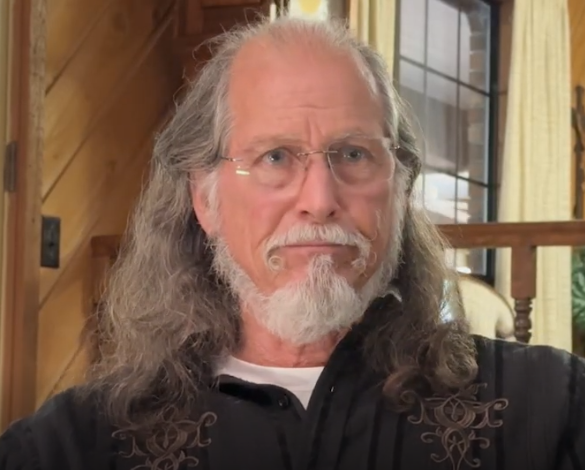
“death row is not set up for a man to change. And I know the change when I see the change. He has changed—change of heart, change of mind. He has the love and the warmth and caring spirit about him. I know that personally.”
Curtis Browder, Prison Chaplain & Advocate
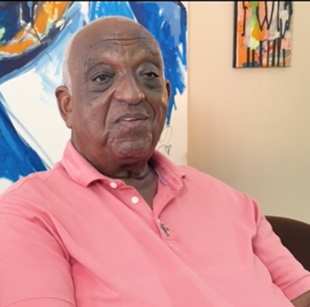
“The memories that I got of him growing up played a major part in the man I became. It wasn't a reverence of my dad. It's a reverence of my brother. I modeled my life behind the way I seen him trying to grow and I tried to be the person that I think he would have been if he was out here.”
Andre Lee, Jeffery Lee’s Brother
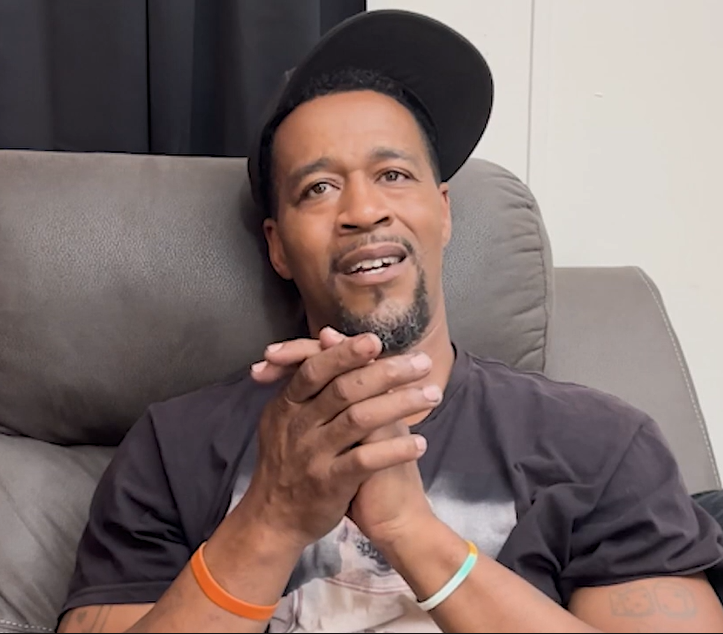
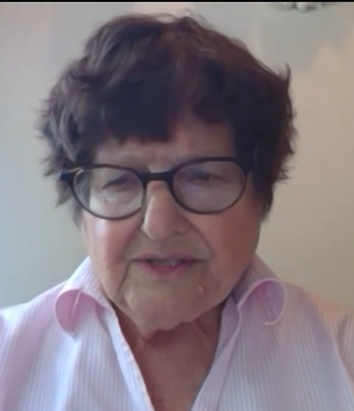
“One time I was in an execution chamber and a guard said to me, ‘You know, the man we're killing tonight is different from that young brash animal that came in here cursing God and everybody. He's changed his life.’ And this is definitely true of Jeffery.”
Sister Helen Prejean, Advocate and Author of Dead Man Walking
Why This Matters.
The question before the Governor is not whether Jeffery Lee committed a terrible crime. He did.
The question is whether the person he has become over 26 years, a spiritual leader, a mentor, a source of peace in one of the most violent environments in the world, is the same person a jury decided should live rather than die.
Redemption does not erase harm. It does not bring back Jimmy Ellis or Elaine Thompson, nor does it fully heal Helen King. But it does demonstrate that people are capable of profound change, accountability, and growth, even in the harshest circumstances.
Jeffery sums up the transformation he’s undergone over the years like this: "Jeffery Lee today is not who he was 28 years ago. I'm more caring, more honest, more open, and I live in a way that honors life. Now, I see life as being sacred. It means everything."
A jury believed Jeffery Lee deserved the chance to live out that transformation behind bars. We believe the State should honor that judgment.